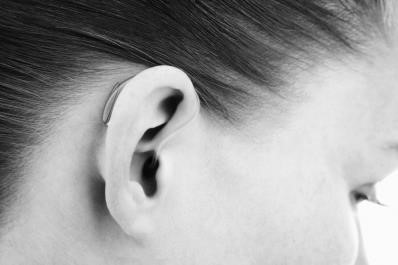
To reduce misophonic responses, avoiding silence is often helpful. One widely used approach involves adding consistent background sound to everyday environments. Audiologist Martha Johnson developed this method, known as the Misophonia Management Protocol (MMP), as a way to reduce the severity of misophonia reactions. It is one of the most commonly used management strategies for misophonia.
A more detailed explanation of this approach is provided in a 13-minute video on sound sculpting and the Misophonia Management Protocol by Tom Dozier, founder of the Misophonia Institute.
In addition to adding background sound, the protocol typically includes a short course of therapy, often lasting six to twelve weeks. This may involve cognitive behavioral therapy, dialectical behavior therapy, or similar approaches, with the goal of developing coping strategies and addressing unhelpful thought patterns associated with trigger sounds.
Background sound can be introduced in a variety of ways. Simple options include using a box fan in a room. Box fans are inexpensive, widely available, and produce a consistent sound that many people find effective. Other options include white noise devices such as the Dohm or LectroFan. These devices are compact and designed specifically to generate steady background sound. Some produce fan-based noise, while others use electronic sound generation with multiple sound options and adjustable volume. Preferences vary, and there is no single device that works best for everyone.
Some individuals choose to place sound-generating devices in multiple locations throughout the home, such as kitchens, living areas, or bedrooms, so that background sound is readily available in spaces where triggers are more likely to occur.
Television or music can also be used to add background sound, but these are often less effective than steady noise sources. Because music and television audio fluctuate in volume and content, they may not mask trigger sounds as consistently. When using a sound system, some people prefer to play white noise, pink noise, or nature sounds from a smartphone app or recorded source, depending on personal preference and effectiveness.
Audiologists may also provide personal sound generators worn behind the ear. These devices resemble small hearing aids and are programmed to emit a preferred type of neutral sound. They are sometimes referred to as masking devices and are commonly used in tinnitus treatment. Availability varies, so individuals interested in this option may wish to ask whether an audiologist offers sound generators before scheduling an appointment. Audiologists who treat tinnitus are typically familiar with these devices.
When using a personal sound generator, trigger sounds are still audible, but their impact may be reduced. The goal is not to eliminate sound, but to lower the intensity of the misophonic response so it becomes more manageable. Data reported by Dr. Johnson showed that adding neutral background sound reduced the severity of misophonia symptoms for many individuals, often making daily life more manageable. In her clinical experience, a substantial portion of patients chose to use behind-the-ear sound generators and found them helpful.
The Misophonia Management Protocol is not a cure. However, it has been associated with meaningful reductions in symptom severity for many people. In Dr. Johnson’s work, misophonia severity was assessed using the Misophonia Assessment Questionnaire, which categorizes symptoms as mild, moderate, or severe based on a standardized scoring system. On average, individuals experienced a reduction in severity level after following the protocol.
An important aspect of this approach is keeping the ears open to environmental sound. Because trigger sounds are still present, some degree of triggering may still occur. However, the response is often less intense. Background sound levels can be adjusted as needed, increasing volume during more challenging situations and reducing it when less support is required.
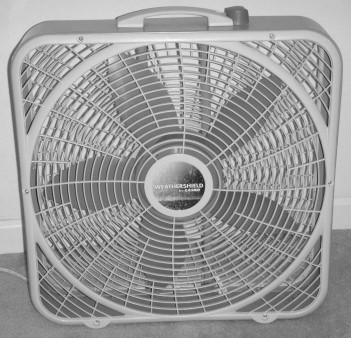
Box fan commonly used to provide background sound

Dohm white noise machine
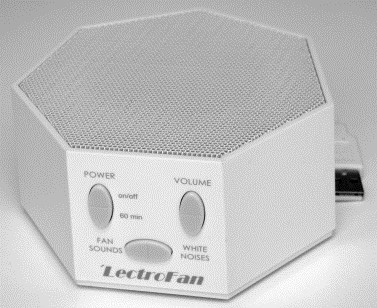
LectroFan white noise machine
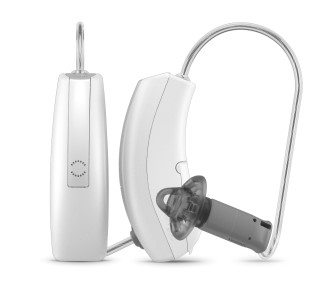
Widex sound generator